Sierra Leone and the United Kingdom: kinship and (in)formal economies of confinement
Urban marginalization, poverty, and the Sierra Leone civil war forced many Sierra Leoneans to leave their homes in the 1990s and 2000s, with many resettling in South London. Today, families span two continents, navigating the push and pull between kin obligations, informal survival strategies, and formal systems of welfare and incarceration. In this case study, we explore how people across generations and genders pursue freedom while grappling with various forms of confinement. We will conduct collaborative ethnographies in Freetown and London to trace the emotional and logistical complexities of leaving, staying, and returning; to unearth experiences of displacement and emplacement; and to explore how cultural expressions of confinement emerge within these communities.
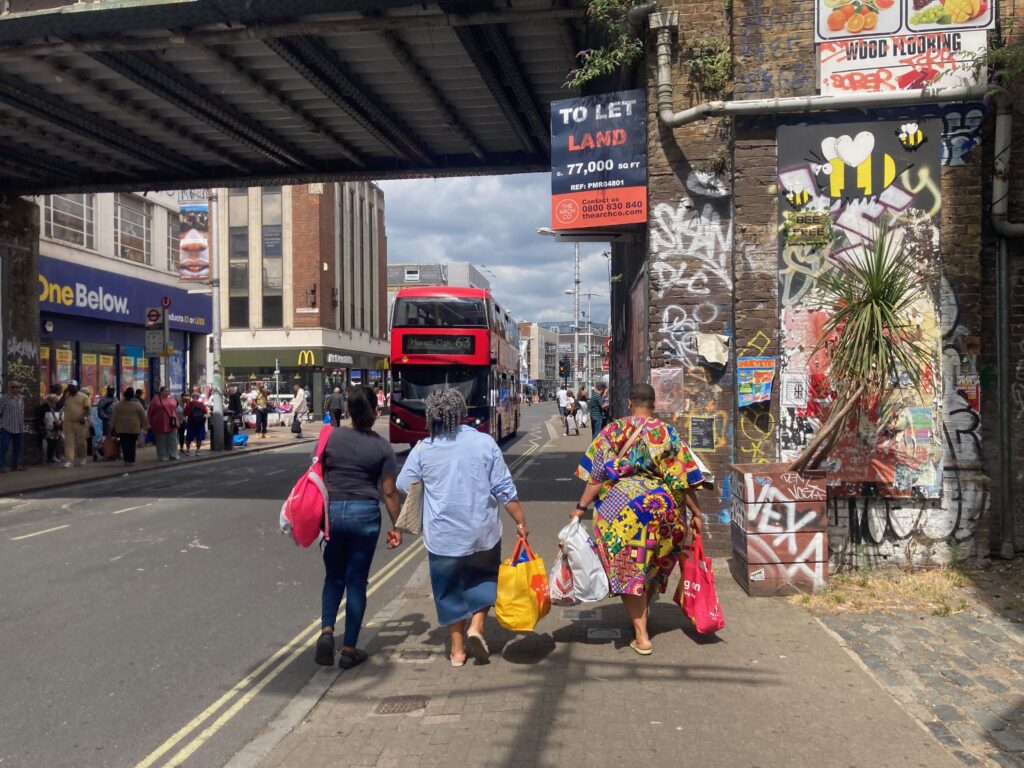
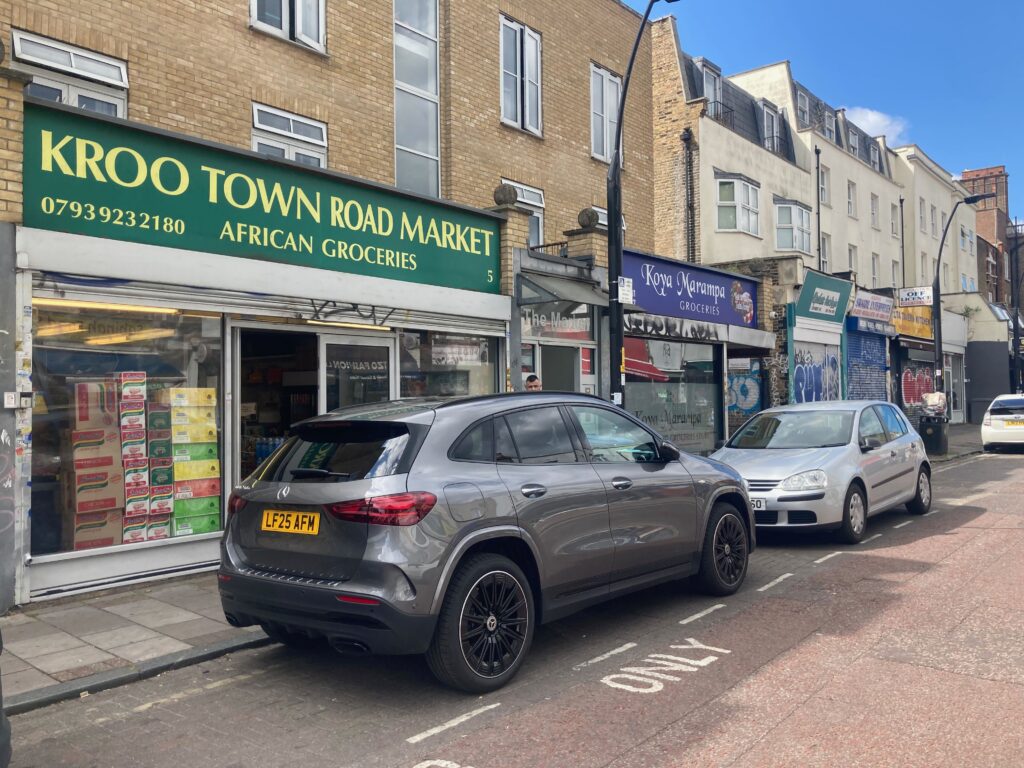
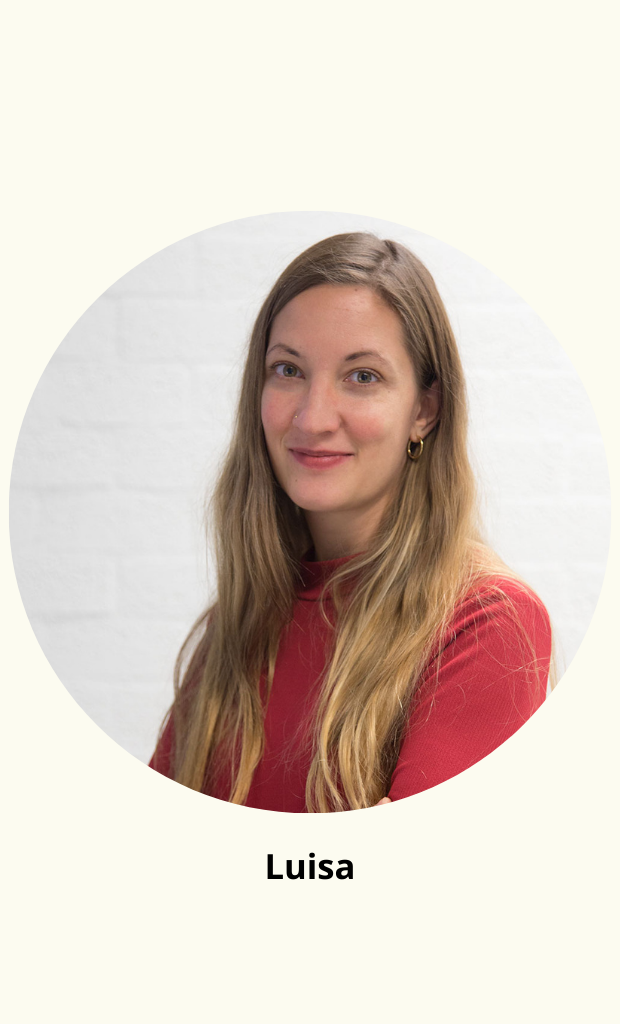
The team consists of researchers Luisa Schneider, Andrew M. Jefferson, and Nadine Tami Coetzee.
Together, they investigate confining infrastructures to examine how displacement, confinement, and urban marginalization shape everyday life in both Sierra Leone and the UK.
Meet the team
I have been doing research with communities in Sierra Leone for over 12 years. One thing has become increasingly clear to me: family, not just in legal or genealogical terms, but as it is socially lived and defined plays a key role in how free or confined people feel. If we want to understand how lives are shaped and restricted, as well as how (im)mobile people are—economically, politically, institutionally, or socially — we need to take these lived understandings of family seriously and built a theory of confinement from them.
Therefore, I will trace extended kinship histories with people who are part of transnational family networks. I am especially interested in how kinship is formed and recognized in ways that stretch far beyond official definitions. Just to give one example: children often spoke of having three or four mothers who became mothers through care, not blood. These forms of kinship can both tighten constraints and open up possibilities for navigating systems of control.
Through this work, I am building on my concept of carceral kinship to make sense of the gap between how the state defines kinship through law, institutions, and immigration regimes, and how people actually live, embody, and sustain kinship in everyday life.
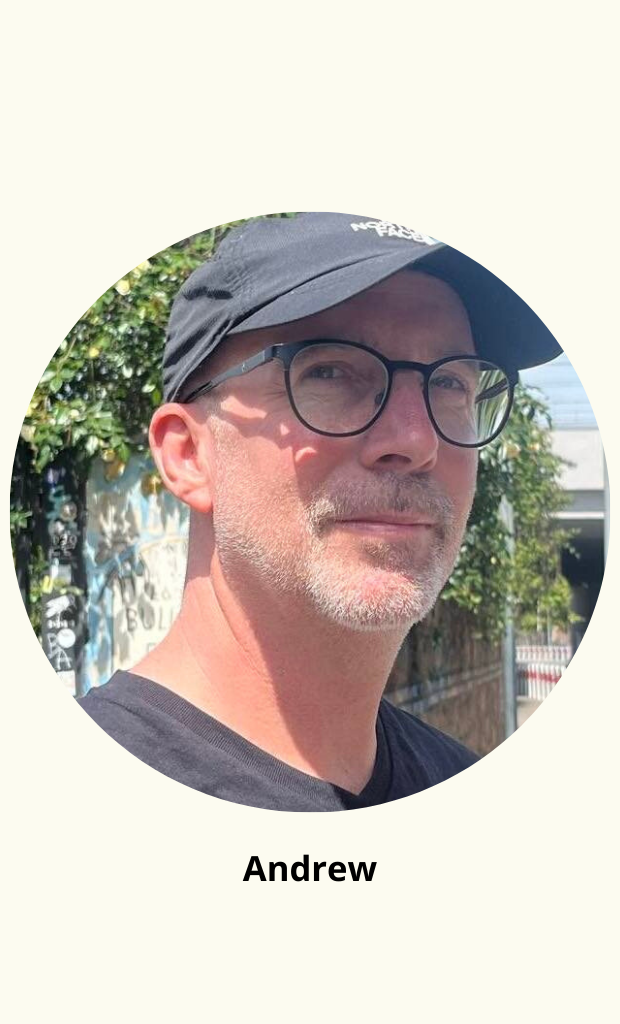
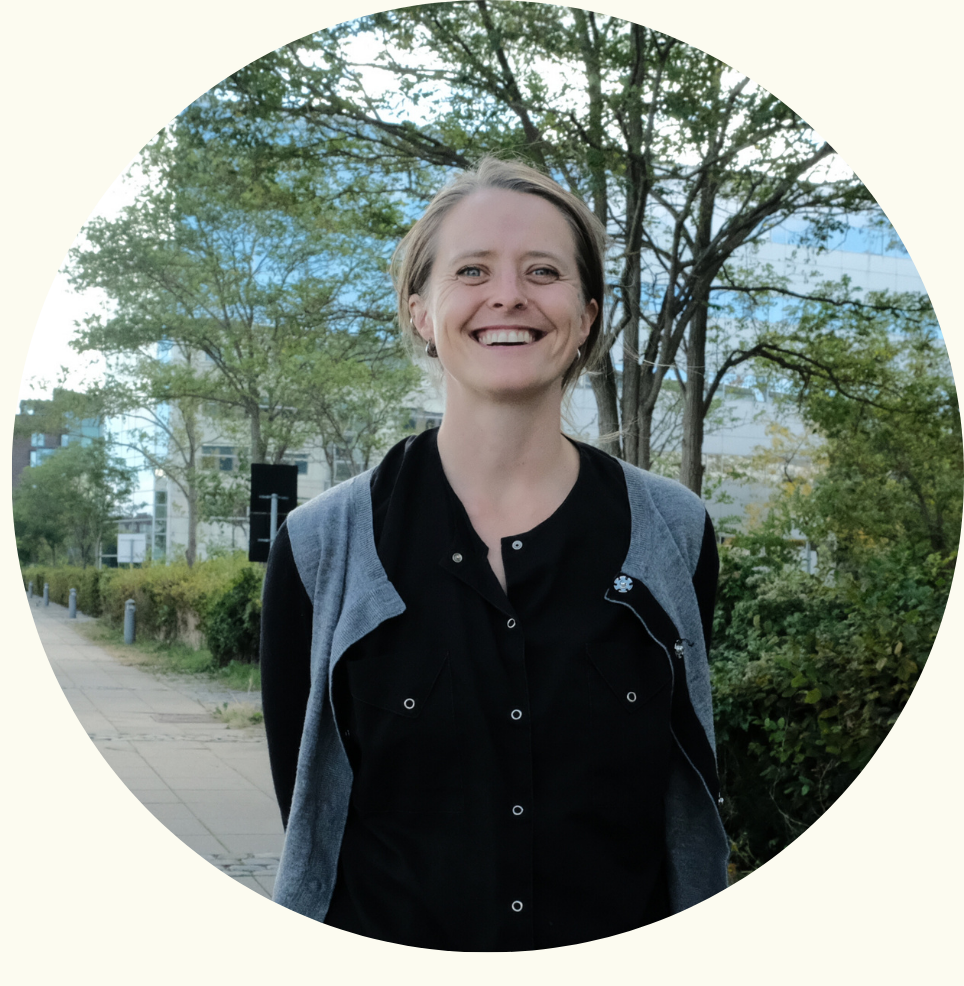
I have been doing fieldwork and collaborative research in Sierra Leone for over 20 years, mostly on prison-related issues but also about other forms of confinement and deprivation. While I was in Sierra Leone I developed a keen interest in learning more about what life was like for Sierra Leoneans and their descendants in South London – where have they migrated before, during, and after the civil war in the 1990s, as South London was close to where my grandparents lived and where my mother grew up.
So, my biography and research interests intersect in this project in interesting ways. I am especially interested in how families are constrained and/or liberated by connections ‘back home’ and the role cultural expressions (art, literature, poetry) might play in making sense of and giving voice to their experiences.
As well as making connections with families I will also try to engage with cultural centres (bookshops, libraries, community centres) as potential sources of data.
The PhD project
I have worked in urban development in London and across urban Africa for over a decade, where I have focused on supporting communities and social movements to respond to or resist the realities of urban marginalisation and uncertainty. In this work I have witnessed the constant efforts and investments required to make, manage and negotiate a home for those living on the edge and under the constant threat of losing it all – over and over again. At the same time these efforts are often misrepresented by the state, the media, and market actors as contributing to urban decay. This have triggered an increased focus on curbing growth, forcing assimilation or evicting to make way for what the city ‘should’ be.
So, in the current global context of increasing levels of homelessness, financial desperation, violence, and migrant hostility I want to follow the stories of a few Sierra Leonean kinship networks to map out how they have made and lost home between the cities of Freetown and London. I hope to contribute to an increased understanding of the lived experience of the movement between moments of loss and establishment of home, as well as what supports and restricts these efforts, across the themes of (im)migration, housing, and uncertainty.