
Thailand and myanmar:
the lives of Confineable families at the borderlands
For more than sixty years, activists, fighters, and persecuted ethnic minorities have fled Myanmar’s military dictatorship into neighbouring Thailand. The junta’s most recent coup in February 2021 has escalated into a full-scale revolution marked by widespread crimes against humanity, armed resistance, and mass arbitrary detention. Thousands of refugees, displaced by the conflict, have fled into Thailand, where many are confined to refugee camps. Others reside in marginalised urban settlements, including the ‘slum’ areas of major Thai cities. Refugee-migrants are struggling to survive in these precarious settings, while facing intense predatory policing that renders them inherently criminalised – not least due to their lack of legal status and dependency on exploiting the migrant labour market. In turn, many are in constant conflict with the law and fearing detention and deportation.
We seek to trace the lives of these people across three interconnected domains of confinement: the camp, the urban ‘slum’, and the prison. The case study involves four fieldwork-based sub-projects by a collaborative team of researchers from diverse backgrounds with distinct and complementary experiences.
The team consists of Tomas (far left), Samantha (center left), Sai (center right), and Bencharat (far left).
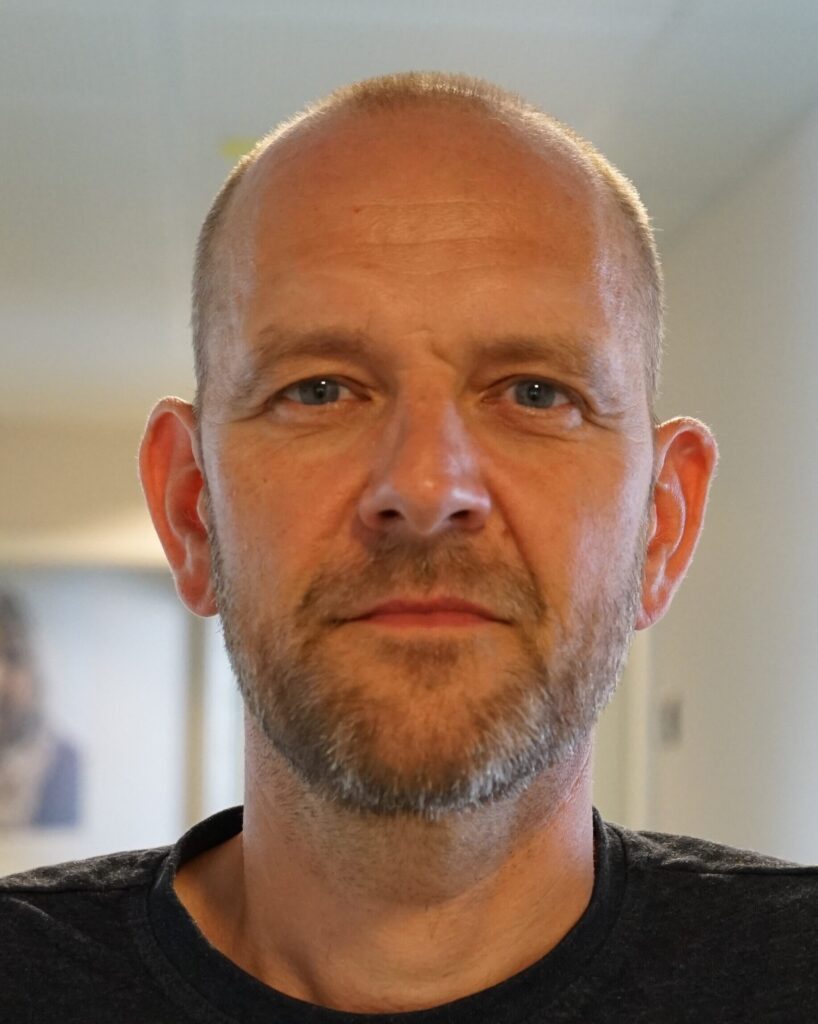

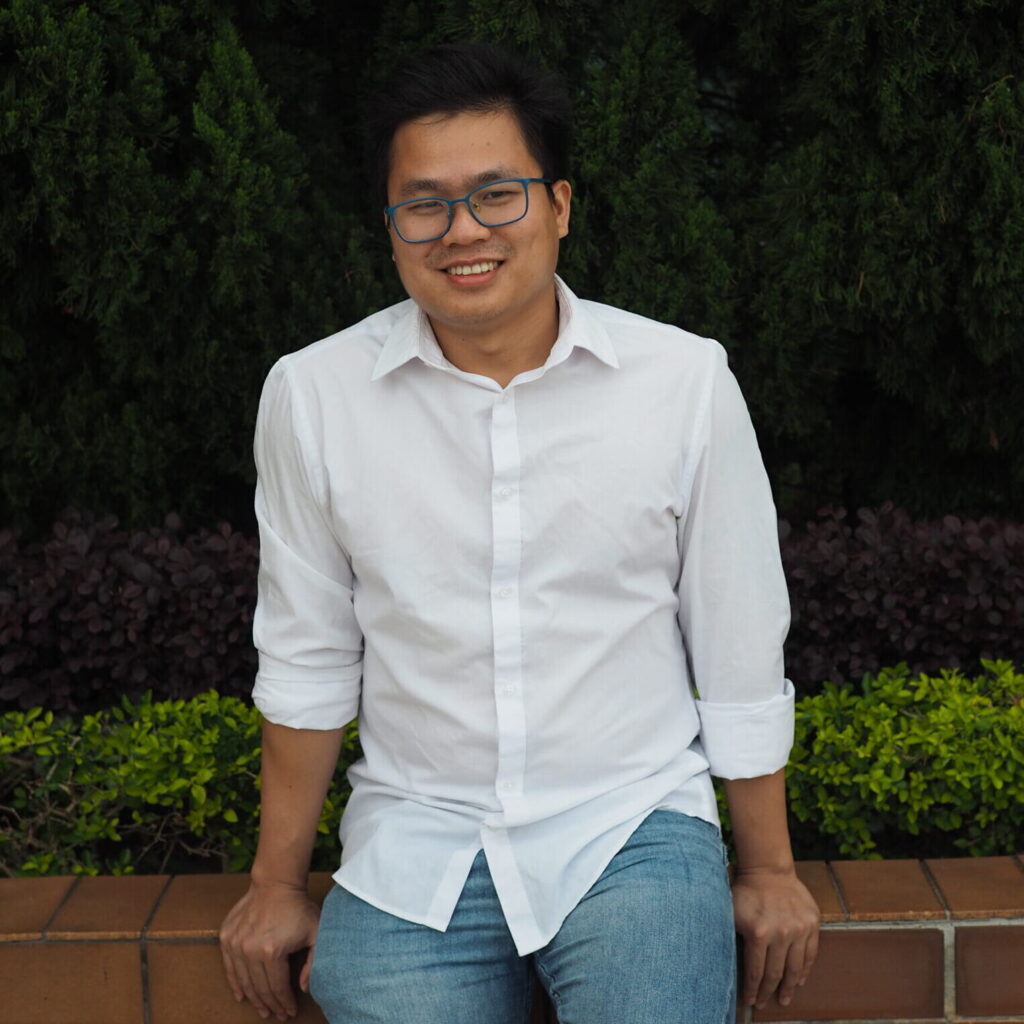
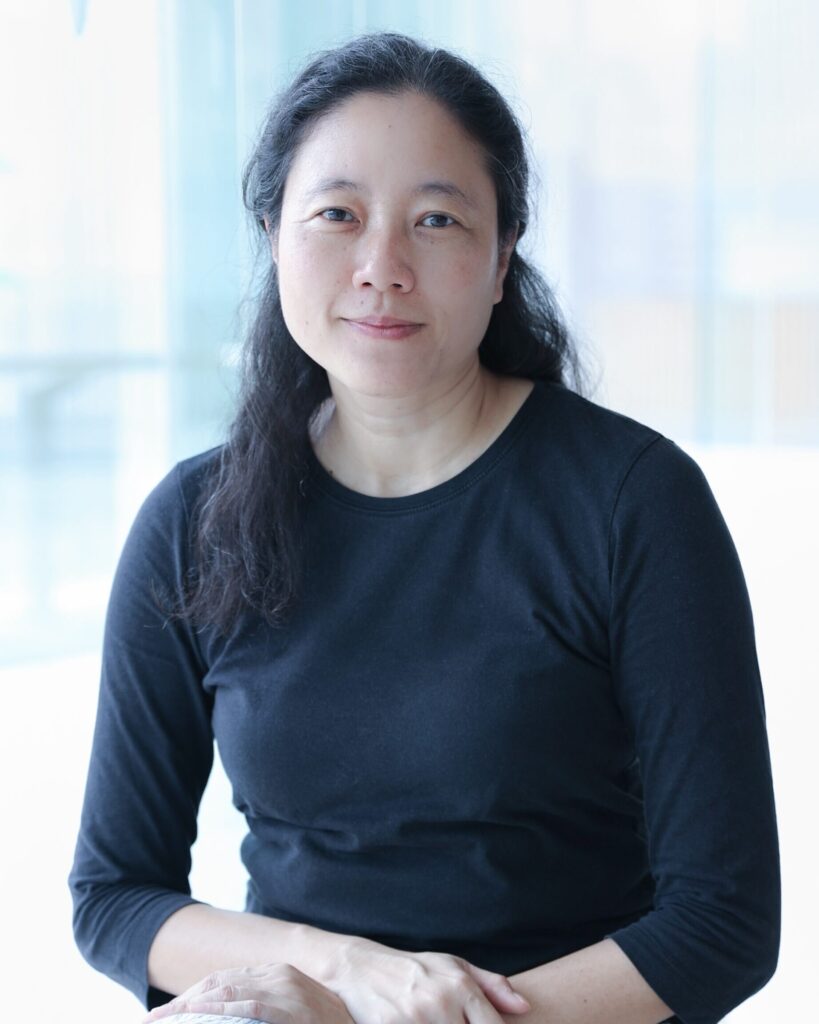
Overall, this case study will employ an integrated approach across our team and our four sub-projects. Each team member will lead their own research, but we will work collectively to draw on our respective findings to produce a joint case study analysis. Through this collaborative process, we will examine how the confined lives within the camp, prison, and urban settlement intersect. The collaborative design both facilitates, and is facilitated by, a close partnership with Mahidol University in Thailand.

Introducing the sub-projects
Political Activism in Exile by Bencharat
When the military staged a coup d’etat in Myanmar in February 2021, it did not only turn the country into fire with its violent crackdown on people who came out against it, it also brought war closer to home where I am in Thailand. Our students from Myanmar shared with me how their lives and their families back home had to endure the hardship during the armed conflicts. Many do not go back to Myanmar for fear of persecution or of the conscription. Many engage in human rights and democracy activisms hoping they can fight the tyranny and bring peace back to their country. They become exile activists in the neighboring land.
Having worked with the exile activists from Myanmar and youth activists in Thailand who are in a similar plight, I am always puzzled by their spirits and continued struggles despite all the challenges they face. With this research, I seek to understand how the young Myanmar political activists navigate the legal confinement of the exiled lives and operate translocally and transnationally for democracy in Myanmar. I will also examine how the new kind of kinship and solidarity was formed between the young activists in the two countries.
Shan Refugees Living in Construction Camps By Sai
The sound of gunfire and bombs marked the beginning of a period of confinement for many Burmese/Myanmar who flee to Thailand. Among these, most are from the Shan ethnic group, who often work and live in Chiang Mai due to its proximity, available trafficker networks, and cultural similarity. However, they face numerous challenges. In reality, their significant contributions to Thailand’s urban development remain largely invisible. They work in dangerous, dirty, low-paid, and often demeaning jobs across industries such as construction, fisheries, agriculture, sex work, domestic labor, and more, especially in Bangkok and Chiang Mai. Many live and are confined in refugee camps, slums, construction sites, and sometimes even prisons, often paying little to no rent. The majority work in the construction sector, where conditions are hazardous, dirty, and exploitative.
Having worked with Shan migrants for many years through a local NGO in Chiang Mai, a city where the majority of migrants are Shan and are unidentifiable from Northern Thai culture, I have visited construction sites multiple times, observing the daily life and environment there. Inside these sites, I have seen a variety of scenes: a shop, children, teenagers, parents, married couples, newcomers, camp leaders, women cooking, male gatherings, and NGO workers. The environment is muddy and puddled, with a natural drainage system and open bathrooms, creating challenging living conditions. Such exposed environments can increase the risk of sexual harassment, especially for women and girls, while the smell of stagnant wastewater permeates the air. These observations—what I have seen, smelled, and heard—ignite my interest in exploring the site further and understanding its potential contribution to research and conceptual understanding.
Initially, I hadn’t thought of a construction site as a place of confinement; confinement is usually associated with institutions like prisons or detention centers. However, in a non-institutional context, I think a construction site can act as a form of physical confinement—where migrant workers feel a sense of security, and families live together at low cost. Within these sites, there is a development of complex networks, a place where NGOs and authorities often visit, yet within these spaces, Shan migrant workers remain confined within the site’s boundaries.
Reflecting on my encounters with Shan migrants in the camp in 2015, I believe that exploring the layered experiences of confinement within such settings is a worthwhile avenue for further research. Exploring this, I ask and attempt to answer the following questions:
- What are the experiences of confinement for Shan migrants working in construction camps in Chiang Mai?
- How do they make sense of this and navigate through confinement?
Patriarchal Confinement By Samantha
I am a feminist criminologist and activist scholar whose work challenges patriarchal power by centring women’s lived experiences. My research examines women’s victimisation, criminalisation, and the strong links between them. I focus on amplifying women’s voices to expose injustice, critique oppressive structures, and advocate for change. For more than a decade, I have researched the experiences of criminalised women in Thailand, while in Australia, my work has focused on domestic and family violence. Being part of the CONFINED team allows me to bring these strands together.
I want to understand how displaced women from Myanmar experience and navigate patriarchal violence across Thailand’s camps, slums, and prisons. I use the term patriarchal violence deliberately because it captures a systemic, structural, and personal reality. It includes direct abuse and the constant anticipation of harm—the “female fear.” This fear shapes how women move through the world, limiting freedom and safety. While all women are affected, those who are racialised, undocumented, or displaced often experience it more acutely. I am interested in understanding how patriarchal violence operates both interpersonally and systemically to confine women’s lives. I also want to examine how kinship—both traditional family ties and chosen solidarities—can act as sites of constraint but also sources of support and freedom.”
(Dis)Connectedness among confined migrant families By Tomas
I have worked for quite some time as a prison ethnographer conducting long term fieldwork among prison actors to tease out how prisons are governed and changing in practice and how that affect everyday prison life. For the last 10 years I have focused a lot of this research on Myanmar prison history and practice.
The CONFINED project offers a unique opportunity to bring some of these insights in play beyond the prison walls, while staying committed to critically unpack experiences of confinement. One of the most profound practices of prison life on almost all levels – be it intimate relations, law, technologies or public discourse – is how imprisonment separates people and how they in turn strive to remain in contact. I will take inspiration from these debates and examine how migrant families from Myanmar living in Bangkok, who face challenges of illegality, marginality, and precarity, manage to stay connected.
I will seek to unpack the notion of (dis)connectedness to explore the practices that enable and disable families to communicate and maintain relationships with each other and with their communities. The research identifies the infrastructures that families use and create to facilitate such connections, as well as those that impede their efforts to remain connected, tracking and tracing how they experience the opening and closing of migration routes, the introduction or annulment of temporary resident permits, and the tightening or loosening of policing in city spaces. I will be especially interested in the phenomenon of ‘safe houses’, which constitute an elaborate informal network of dwellings, where migrants on the one hand may find a bit of protection from Thai police, but, on the other hand, may also feel quite stuck and isolated.